New at Navila
A picosecond laser by InMode that treats what most lasers can’t safely touch — melasma, sun damage, acne scarring, and tattoo ink — with pulses so short they shatter pigment without heating the surrounding skin. Minimal downtime, and safe across skin tones.
Schedule Your Complimentary Picofy Consultation
Traditional pigment lasers deliver energy in nanoseconds — long enough to heat the skin around the target, which is why they carry a risk of rebound pigmentation, especially in deeper skin tones. Picofy delivers energy one thousand times faster. The pulse is so brief that pigment shatters from the pressure of the light itself, with almost no heat left behind for the surrounding tissue to absorb.
That single difference is what lets us treat melasma, sun damage, and tattoo ink on skin types that older technology has to turn away.
Most patients come to us with one of these five concerns. Tap any to learn how Picofy addresses it, or book a consultation and we’ll assess your skin in person.
Melasma
The hardest pigment condition to treat, because heat makes it worse. Picofy’s low-heat pulses break up melasma patches gradually over a series of gentle sessions without triggering the rebound that heavier lasers cause.
Series of 4–6 sessions
Pigmentation & Sun Damage
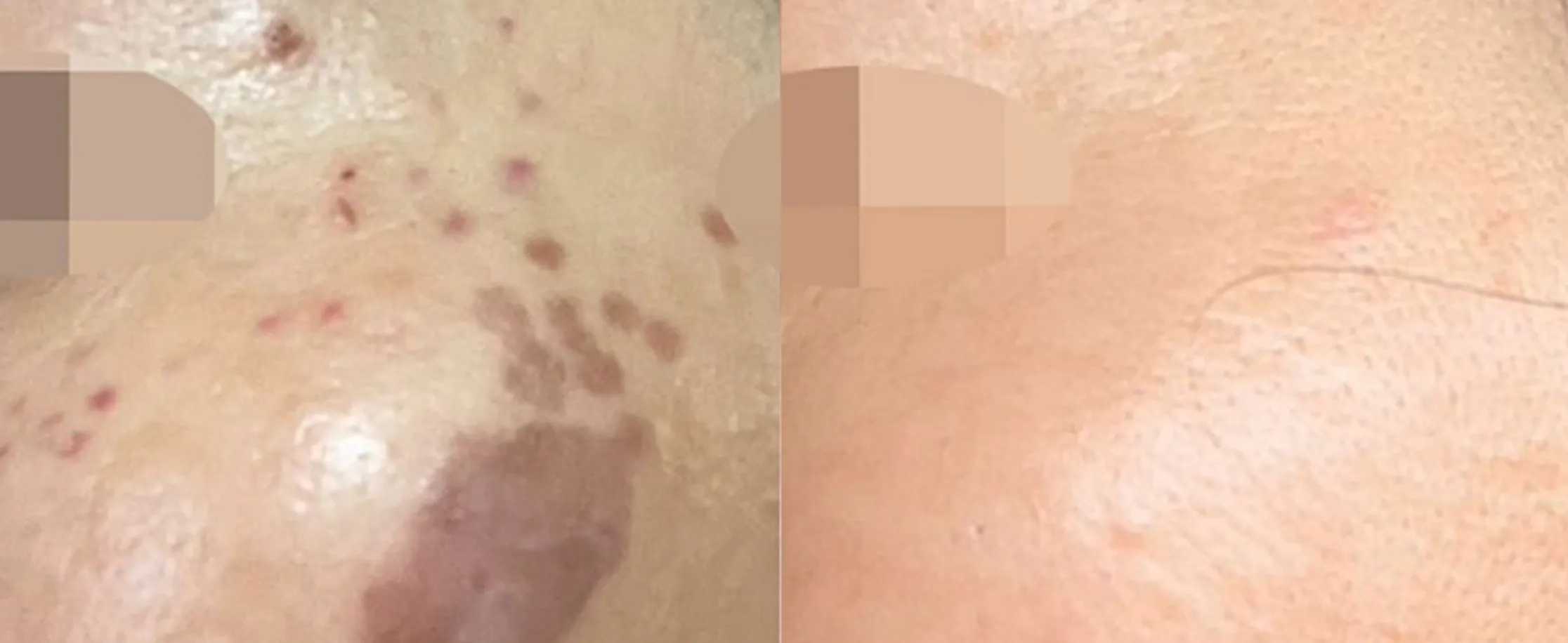
Sun spots, age spots, freckling, and uneven tone across the face, chest, hands, and arms. Spots darken briefly after treatment, then flake away over about a week.
1–3 sessions
Acne Scars
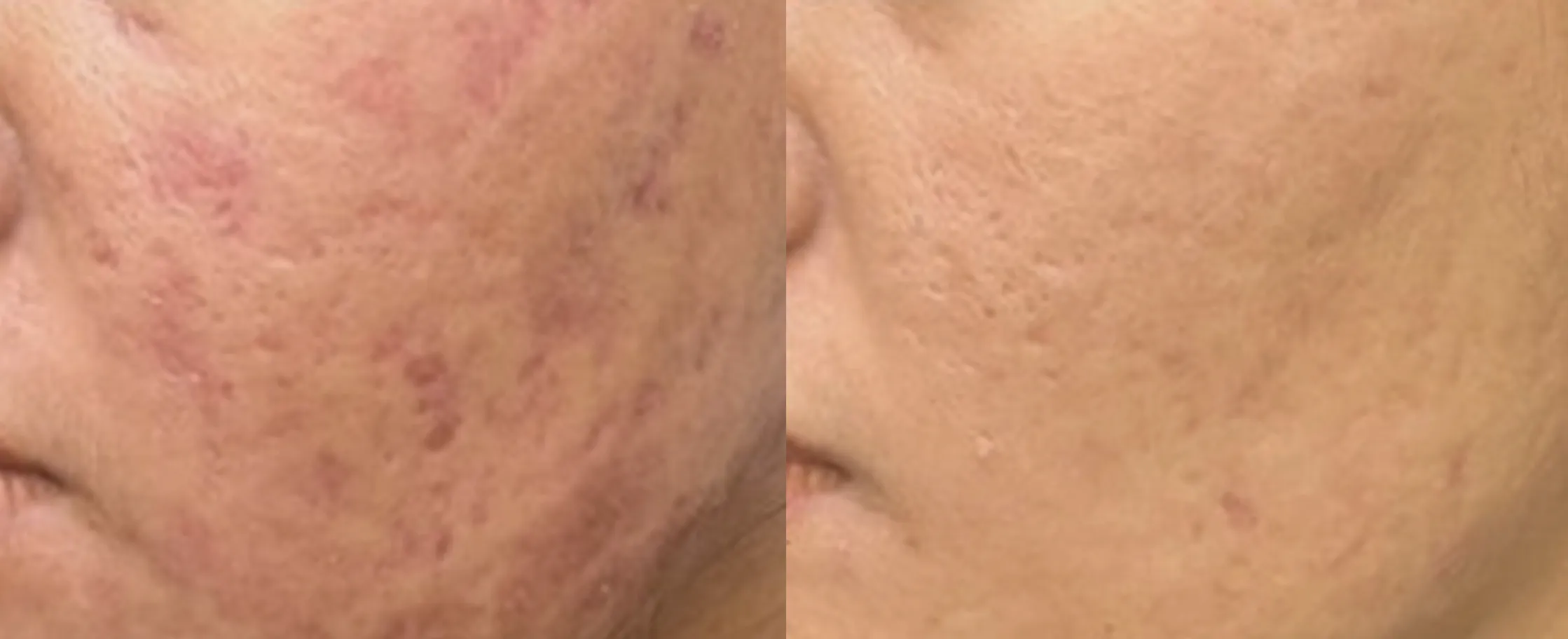
Picofy’s fractional handpiece creates microscopic zones of injury beneath the surface that trigger new collagen, softening rolling and boxcar scars while leaving the skin’s surface intact.
Series of 3–5 sessions
Tattoo Removal
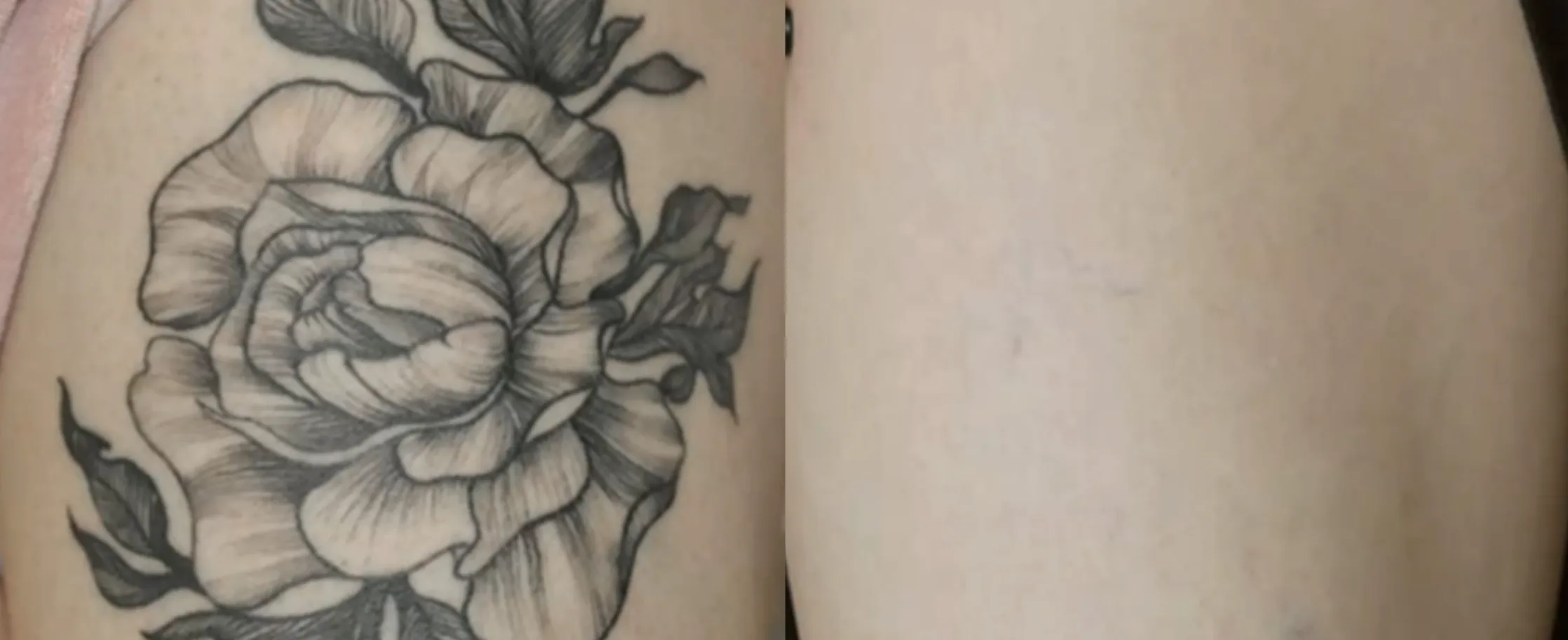
Multiple wavelengths let us target black, blue, green, and red ink. Picosecond pulses fragment ink into particles small enough for your body to clear — fewer sessions and less scarring than older nanosecond lasers.
Varies by ink & size
Skin Rejuvenation
A full-face pass evens tone, refines pores, and brightens dull skin — the treatment for skin that looks tired rather than damaged. Often paired with Morpheus8 for texture and tightening in one plan.
Single or series
Not sure which applies?
Many patients have two or three of these at once. A consultation lets us see your skin under proper light and tell you honestly what Picofy will and won’t do for it.
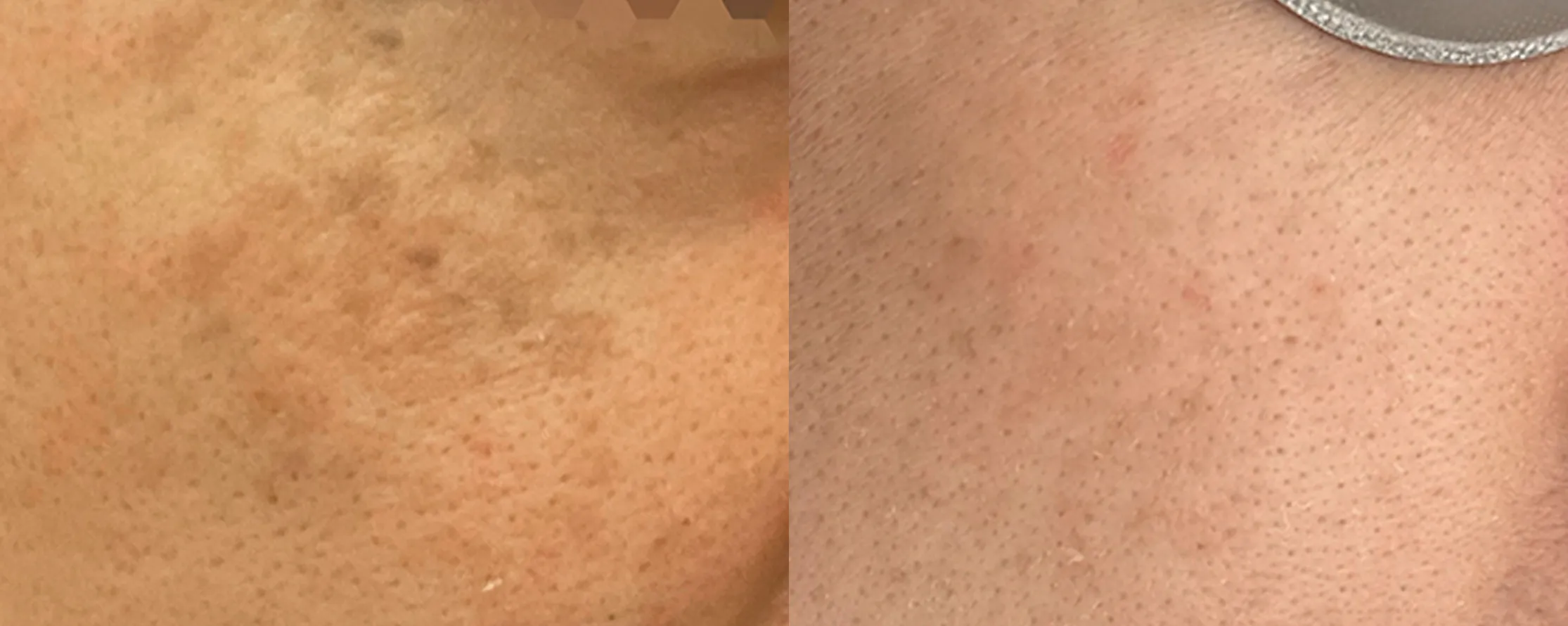
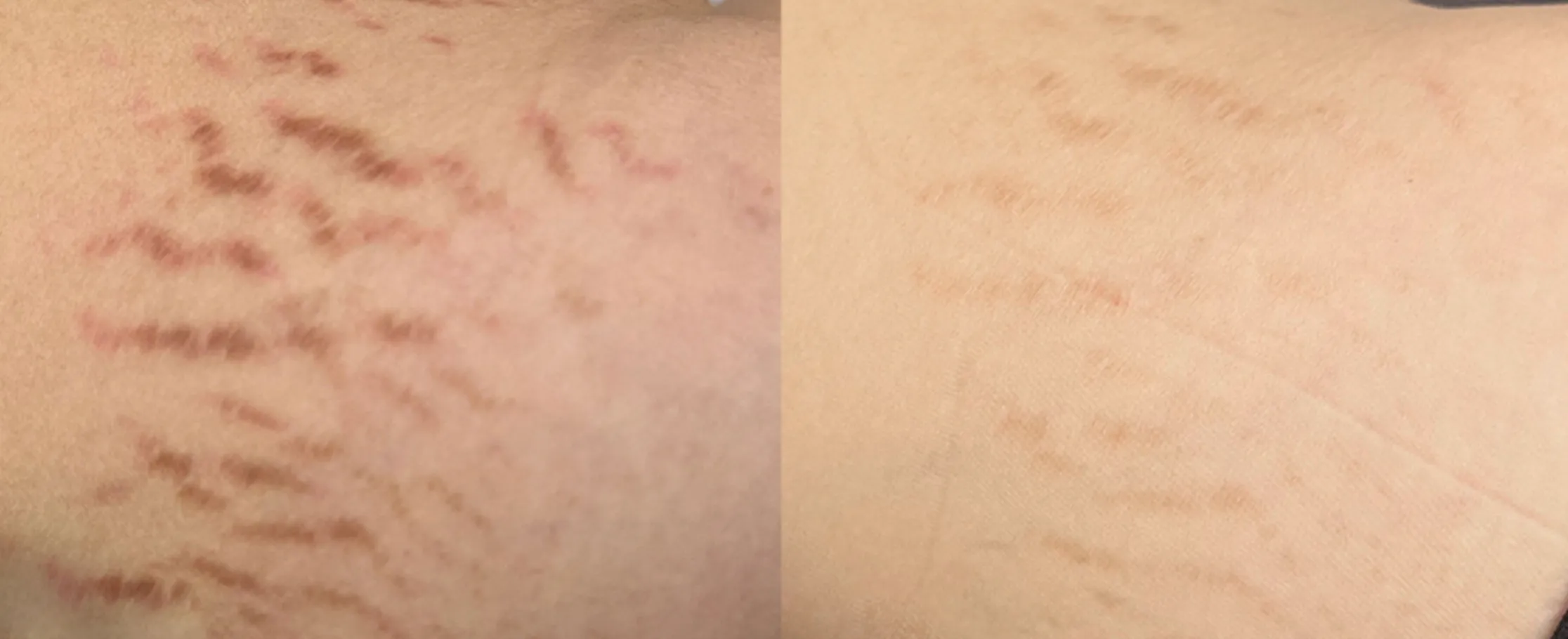
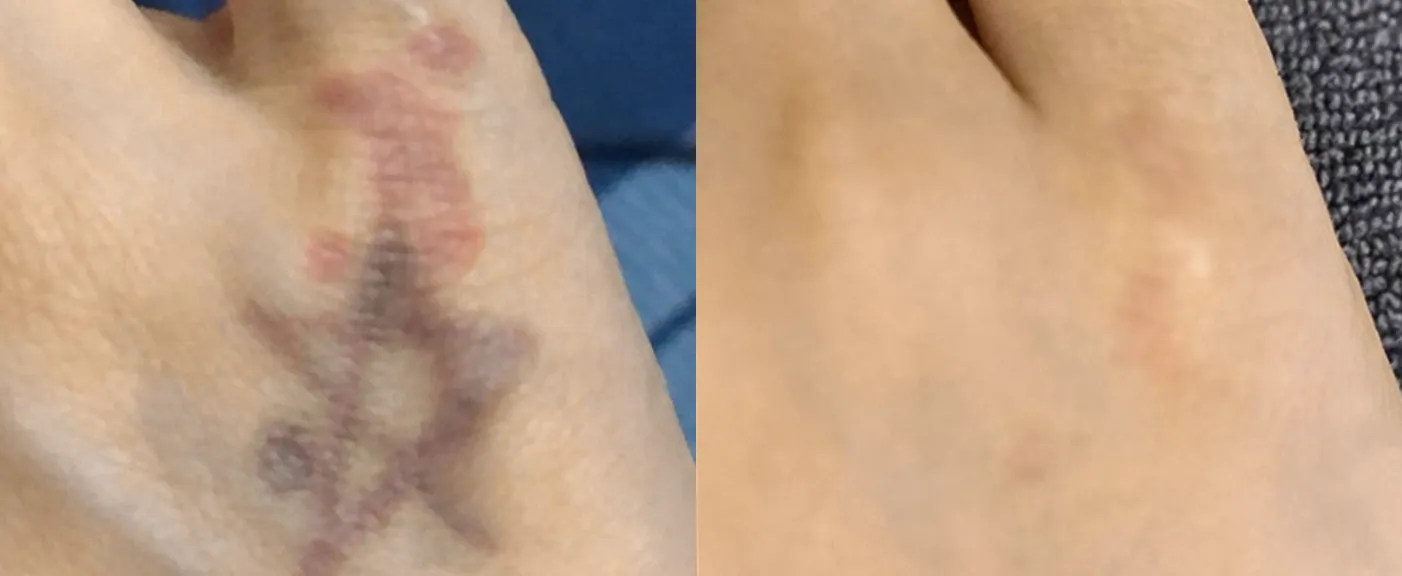
Picofy is new to Navila, so the results below are clinical images from InMode showing what the technology achieves across pigment, scarring, and tattoo removal. Our own patient results will be added as they come in.

Picofy result

Picofy result

Picofy result

Picofy result

Picofy result

Picofy result
Clinical before-and-after images courtesy of InMode. Navila patient results will be added as they are collected. Individual results vary and are not a guarantee of outcome.
InMode technology
Picofy is InMode’s picosecond platform, the same company behind Morpheus8. We are an authorised InMode provider.
All skin tones
Picosecond pulses carry minimal heat, which makes Picofy appropriate for deeper skin types that heat-based lasers put at risk.
Medical providers
Every treatment is planned and performed by licensed medical professionals who assess your skin before choosing settings.
Combination plans
Picofy for pigment and Morpheus8 for texture and tightening are frequently planned together for a complete result.
Does it hurt?
Most patients describe it as a light snapping sensation. Because the pulses carry so little heat, Picofy is more comfortable than traditional pigment lasers, and numbing cream is available for tattoo removal.
What is the downtime?
Mild redness for a few hours. Treated spots darken and flake off over five to seven days. You can wear makeup the next day and return to normal activity immediately — sun protection is essential during healing.
How many sessions will I need?
It depends entirely on the concern. Sun spots often clear in one to three sessions; melasma and acne scarring are treated as a series spaced four to six weeks apart; tattoos vary by size, ink, and depth. We give you a realistic count at consultation.
Is Picofy safe for Asian and darker skin?
Yes — this is one of Picofy’s core strengths. Low thermal impact means far less risk of post-inflammatory hyperpigmentation than nanosecond lasers. We still assess each patient individually and may test-spot first.
Can I combine it with other treatments?
Frequently. Picofy addresses pigment; Morpheus8 addresses texture and laxity; Sculptra addresses volume. Many plans layer two of these over a few months.
Schedule your complimentary Picofy consultation at our Tustin studio. We’ll assess your concern, confirm you’re a candidate, and map out the number of sessions you’ll actually need.
Book Your Visit